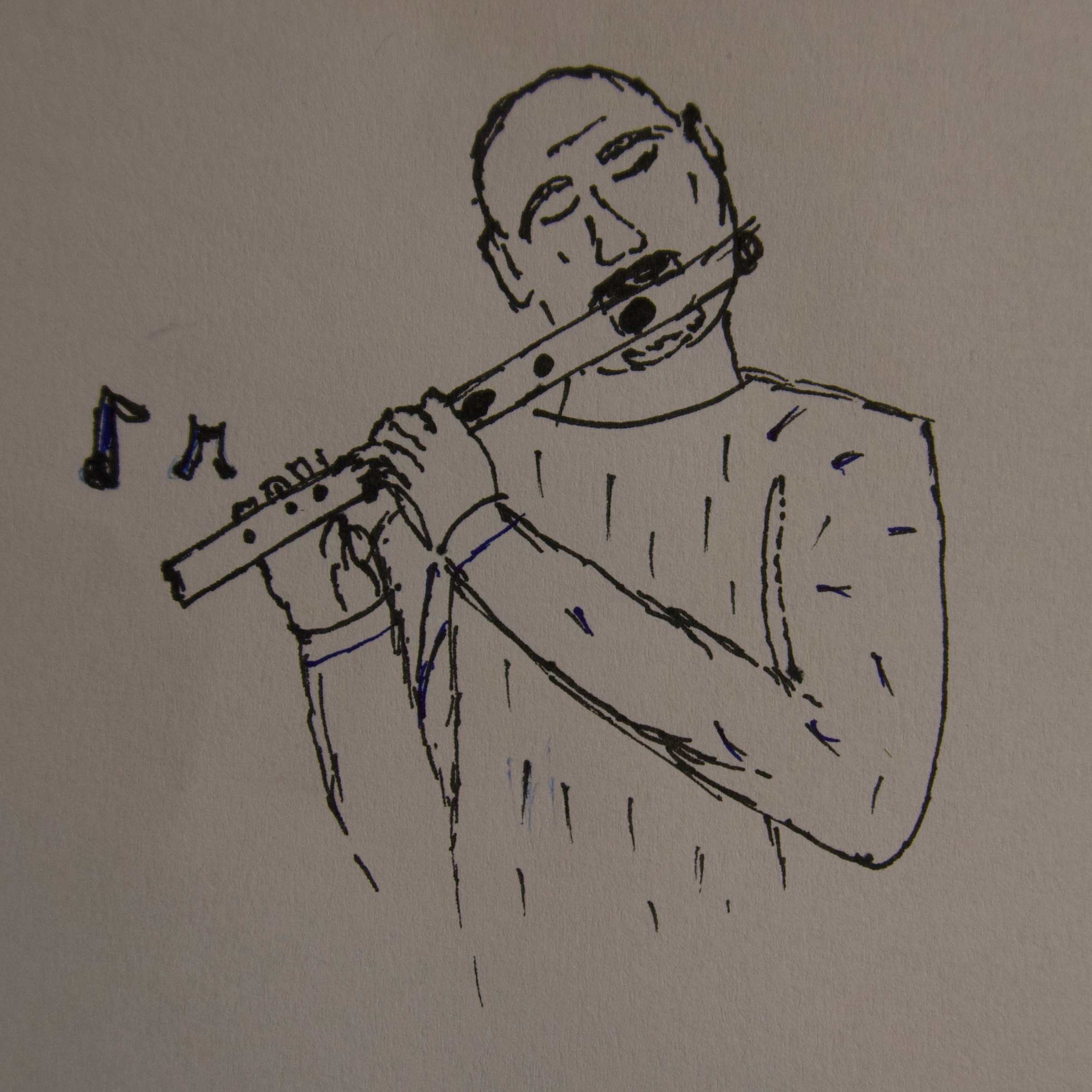
FLUTE VENKAT
IF YOU WISH TO PURCHASE A BAMBOO CARNATIC FLUTE, use the link
here
If you have 3 minutes, please go ahead…
Hello, Hi, Namaste (नमस्ते), Vanakkam (வணக்கம்), Namaskaram (నమస్కారం), Namaskara (ನಮಸ್ಕಾರ), Namaskaram (നമസ്കാരം), Nomoshkar (নমস্কার), Kem Cho? (કેમ છો?), Namaskar (नमस्कार), Namaskar (ନମସ୍କାର), Namaskar (নমস্কাৰ), Namah (नमः), Khurumjari (ꯈꯨꯔꯨꯝꯖꯔꯤ), Pranam (प्रणाम),
I’m Venkat (Venkata Krishnan), and I’d love to share a bit about my musical journey. It all began with the music keyboard and digital piano, but my passion for listening to musical instruments naturally led me to listening to the beautiful sounds of the Bansuri flute, Carnatic flute and then Veena. I was 41 when I started appreciating musical instruments, and was a bathroom singer until then. I was 42 when I picked up the flute, and now, at 46, eager to share the joy of learning flute…
What you seek seeks you, if you are here reading this, I strongly believe there is a reason for it…
Why Flute?
The flute isn’t just an instrument; it’s a soulful companion. Whether you're into Carnatic, Hindustani, or Western music, the flute is a bridge that connects your soul to the universe if you immerse yourself into playing the instrument.
It's not about "instant gratification" or “quick mastery”, music is a lifelong journey. If you're someone who enjoys the process of learning and the thrill of improvement, then the flute will become your close friend. You do not have to perform professionally, yet you will be happy with the sounds of a bamboo flute…
The Joy of Learning
Learning the flute takes time, patience, and dedication - I don’t like sugar coating this. It took 6 months for me to play all the notes (sa, ri/re, ga, ma, pa, da, ni, Sa / Do Re Mi Fa Sol La Ti Do) clearly, and it took 3 years to identify and play the half notes well. I learnt from a Guru for about a year in the middle, but decided to explore on my own later. Every practice session, every note you play, brings you closer to expressing something uniquely yours.
Imagine being able to speak through your music, not just to people, but to every living being, I mean it. You might have seen animals (cows, birds..) getting attracted to flute music - the very reason I started learning flute. It’s been a soul-nourishing journey for me, and I’m excited to help others experience that same fulfillment.
Supporting Artisans
I had to buy 2-3 flutes before I could get a good one. There are multiple random Bansuri/ Carnatic Bamboo flute sellers, and even by the roadside in India, but the “real” craftsmen are hard to find.
One of my passions is supporting the talented artisans who craft flutes. These artisans, often without an online presence, carry decades of wisdom and skill. Through this initiative, we aim to promote their work and ensure they continue their craft and leave a legacy, combining tradition with modern technology where it makes sense.
By learning the flute, you're also helping to sustain this incredible art form and the communities behind it.
How can you support them?
This might open new doors to your life and others and it is one of the most affordable and humble musical instruments one can ever get (apart from your own vocal chord), yet there is no limit to the happiness you get when playing a melody with this wonder called “flute”…
How to get started?
It doesn’t take much to start—just a good flute and a desire to learn. Trust me, when I started, my family wasn’t thrilled about hearing the early days of my practice, even at times now 🙂. I stuck with it, and now they appreciate the progress, and I am still learning and will always do... I show-up to practice for an hour each day, that's all it took to get better over the last 4 years…
You don’t need to find the perfect teacher right away. Start with whatever resources you can find, whether it’s a local guru, online lessons, or videos.
Every artist/ teacher has something valuable to offer. Listen as much as you play, developing your ear is the key to repeating the “sounds”. Add the pitch (Shruti), beats (Tala/ Tal) and the emotion (Bhava/ Bhavam) to make it more musical to ears, depending on the mood.
Ready to Begin Your Journey?
If you're looking for a high-quality, handmade Carnatic bamboo flute, I can help! Please join the waiting list here. As humans, it is important to understand our body, which is an instrument we use to do our tasks, so is the flute, it is an instrument, and it has the life and soul of music.
Right now, we offer Carnatic flutes, and we’re always on the lookout for other artisans of Bansuri and other flutes.
If you know any artisans, please introduce them to us, we will be happy to work with them. We want to promote this art and craft and make it accessible to “keen” learners like you.
The flute is more than just an instrument—it’s a lifelong journey of self-discovery and joy. If you’re ready to embark on that path, let’s start this adventure together!
When you identify the frequencies of sounds, learn to play with the beat and understand the emotion of the song/ music you are listening/ playing, it makes the audience feel great as well. Seek internal validation before seeking external validation, by listening to your own recording of the flute.
Please follow my channel and I can teach you the very basics if you are interested, and from then on, you will figure out the next steps. Get started…
FAQs Bamboo flutes
Our artisans make Carnatic flutes with naturally formed bamboos, and make holes in them according to their natural dimensions, so a slight bend, a natural node at one end, scratches etc are common in a Carnatic Bamboo flute, and that's how traditional flutes are made.
When the flute is yet to be used, you might get a smoke smell. The reason is: Artisans heat an iron rod to make holes in the flute, also they heat the surface to remove moisture in bamboo, causing it to give a smoke smell that typically comes when bamboo is put to flame. When you receive the flute, rinse it once with flowing water and drain it, wipe with a soft cloth and you are good to use it. You can use fragrant oils to clean and maintain it for longevity and enhancing the quality of the flute over time.
A well maintained carnatic flute of good quality can last over 50 years and I have heard this from flute performers and Gurus.
Since the bamboo comes in different shapes and sizes, and each flautist’s blowing technique can be unique, we do not take the flutes back, unless there is a physical damage and it is reported as soon as it is received. However, we do the due diligence to check the quality of the flute and its sound.
Have a great time…